
Getting Veneers: Is the Process Painful?

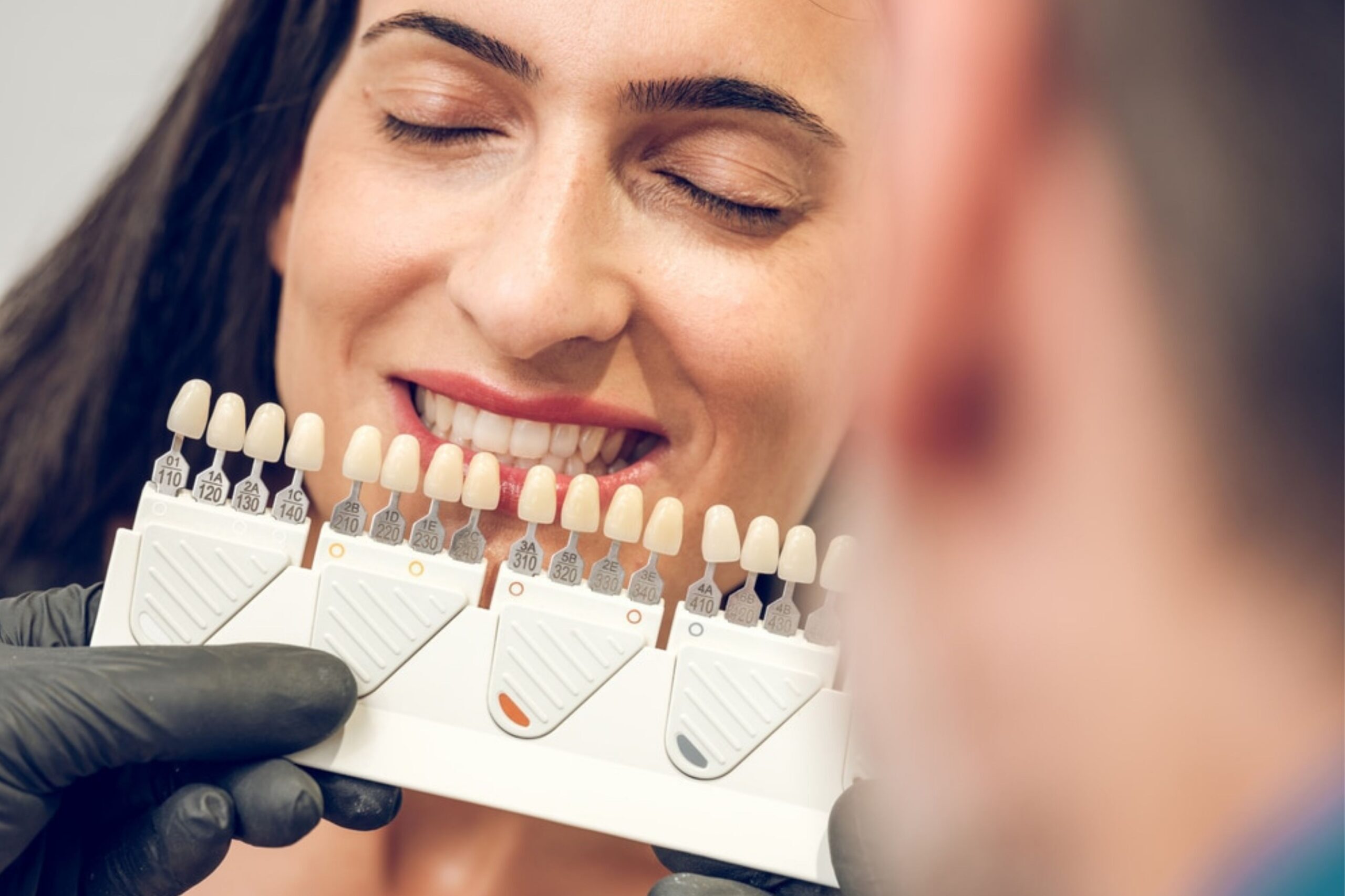
When considering a smile makeover, veneers often come to mind as a transformative solution for achieving a brighter, more confident smile. But one question lingers for many: is the process of getting veneers painful? If you’re exploring this option, you likely want to know what to expect, how to prepare, and whether discomfort will be a significant factor. In this blog, we’ll walk you through the entire veneer process, address common concerns about pain, and provide insights to help you feel confident in your decision. Let’s dive into the details of veneer application, preparation, and aftercare to give you a clear picture of what’s involved.
What Are Veneers and Why Choose Them?
Veneers are thin, custom-made shells typically crafted from porcelain or composite resin, designed to cover the front surface of your teeth. They’re a popular cosmetic dentistry option for addressing issues like chipped, stained, misaligned, or gapped teeth. The American Academy of Cosmetic Dentistry notes that veneers can dramatically improve the appearance of your smile, often in just a few visits. People choose veneers because they offer a natural look, resist staining, and can last for many years with proper care. However, the idea of altering your natural teeth can raise concerns about discomfort, which we’ll explore in detail.
The Veneer Process: Step-by-Step Breakdown
Understanding the veneer application process can help ease any anxiety about potential pain. Here’s a detailed look at what happens when you decide to get veneers:
Step 1: Consultation and Planning
Your journey begins with a consultation where your dentist evaluates your oral health, discusses your goals, and determines if veneers are the right choice. They may take X-rays or impressions to create a personalized treatment plan. This step is entirely non-invasive and pain-free, focusing on communication and preparation.
Step 2: Tooth Preparation
To ensure veneers fit seamlessly, a small amount of enamel—typically less than a millimeter—is removed from the front of your teeth. This step allows the veneers to sit flush with your natural teeth, avoiding a bulky appearance. Local anesthesia is often used to numb the area, ensuring you feel minimal discomfort during the procedure. Most patients report feeling only slight pressure, not pain, during this phase.
Step 3: Impressions and Temporary Veneers
After preparing your teeth, your dentist takes impressions to create your custom veneers. These impressions are sent to a dental lab where your veneers are crafted, a process that can take a couple of weeks. In the meantime, temporary veneers may be placed to protect your teeth. Some patients experience mild sensitivity with temporaries, especially to hot or cold, but this is usually manageable with over-the-counter remedies or by avoiding extreme temperatures.
Step 4: Veneer Placement
Once your custom veneers are ready, you’ll return for the final placement. Your dentist will check the fit and color, making adjustments as needed. The teeth are cleaned, and a bonding agent is applied to secure the veneers in place. A special light hardens the adhesive, ensuring a strong bond. This step is typically painless, though you might feel slight pressure during the bonding process. After placement, your dentist will make minor adjustments to ensure your bite feels natural.
Does Getting Veneers Hurt? Addressing Pain Concerns
The question of pain is a top concern for anyone considering veneers. The good news is that the process is designed to be as comfortable as possible. Local anesthesia during the tooth preparation stage minimizes discomfort, and most patients describe the sensation as mild pressure rather than pain. Post-procedure, some individuals experience temporary sensitivity, particularly if their enamel was more extensively prepared. This sensitivity often subsides within a few days as your mouth adjusts. Your dentist may recommend avoiding very hot or very cold foods during this period to reduce irritation. Overall, advancements in dental techniques have made the veneer process smoother and more comfortable than ever.
Finding the Right Professional for Veneers in Columbia
Choosing a skilled provider is key to ensuring a comfortable and successful veneer experience. If you’re considering veneers in Columbia, you’ll find many practices offering expertise in cosmetic dentistry. Look for a provider with a strong reputation, positive patient reviews, and experience in veneer placement. A qualified professional will prioritize your comfort, using modern techniques to minimize discomfort and achieve stunning results. Whether you’re interested in porcelain veneers in Columbia or composite options, a local expert can guide you through the process with personalized care.
Aftercare Tips for a Smooth Recovery
Proper aftercare plays a big role in minimizing discomfort and ensuring your veneers last. Here are some practical tips to follow after getting veneers:
- Maintain Good Oral Hygiene: Brush and floss daily to keep your veneers and natural teeth in top condition. Use a non-abrasive toothpaste to avoid scratching the veneer surface.
- Avoid Hard Foods: Biting into hard items like ice or nuts can damage veneers, so opt for softer foods, especially in the first few weeks.
- Limit Staining Agents: While veneers are stain-resistant, reducing consumption of coffee, tea, or red wine can help maintain their brightness.
- Schedule Follow-Ups: Regular checkups with your cosmetic dentist in Columbia ensure your veneers remain in good shape and allow for early detection of any issues.
By following these steps, you can enjoy your new smile without unnecessary complications or discomfort.
Trending FAQs About Getting Veneers
To address common concerns, here are answers to frequently asked questions about the veneer process, sourced from popular queries on Google:
- How long does the veneer process take? The entire process typically spans 2-3 visits over a few weeks, including consultation, preparation, and placement.
- Will my teeth be sensitive after getting veneers? Some patients experience mild sensitivity for a few days, especially to temperature changes, but this usually resolves quickly.
- Can I eat normally with veneers? Yes, once your mouth adjusts, you can eat most foods, though it’s best to avoid very hard or sticky items to protect your veneers.
- Do veneers feel natural? Absolutely—veneers are designed to mimic the look and feel of natural teeth, and most patients adjust to them within a short time.
These answers aim to clarify common doubts, helping you feel more prepared for your veneer journey.
Benefits of Veneers Beyond Aesthetics
While veneers are often chosen for their cosmetic benefits, they offer additional advantages that enhance your overall dental experience. Veneers can provide a protective layer for teeth with minor damage, preventing further wear. They also require minimal alteration to your natural teeth compared to other restorative options, preserving more of your tooth structure. For those seeking dental veneers in Columbia, the combination of aesthetic improvement and functional benefits makes them a worthwhile investment in your smile and confidence.
Preparing Mentally and Physically for Veneers
To ensure a smooth experience, a little preparation goes a long way. Mentally, take time to discuss your expectations with your dentist, asking questions about the procedure and recovery. Physically, maintain good oral health leading up to your appointment—healthy gums and teeth reduce the risk of complications. If you’re anxious about the process, let your dentist know; they can offer sedation options or techniques to help you relax. Being proactive in your preparation can make the entire experience more comfortable and rewarding.
Final Thoughts: A Painless Path to a Perfect Smile
Getting veneers can be a life-changing decision, giving you the smile you’ve always dreamed of with minimal discomfort. While the idea of dental procedures can feel daunting, the veneer process is designed to prioritize your comfort at every step. From the initial consultation to the final placement, modern dentistry ensures that pain is kept to a minimum, leaving you with a stunning, natural-looking result. If you’re ready to transform your smile, consult with a trusted cosmetic dental professional in Columbia to explore your options and take the first step toward a more confident you.


