What’s the Difference Between an Orthodontist and a Dentist?


When it comes to dental care, many people wonder about the roles of different professionals. You might have heard the terms “dentist” and “orthodontist” used interchangeably, but they’re not the same. Both play crucial roles in maintaining your oral health, yet their expertise, training, and focus areas differ significantly. In this blog, we’ll break down the key differences between an orthodontist and a dentist, clarify their roles, and help you decide which one to visit for your specific needs. Let’s dive into the details to clear up any confusion and guide you toward the right care for your smile.
Understanding the Role of a Dentist
A dentist is your go-to professional for general oral health care. Think of them as the primary care provider for your teeth and gums. They focus on overall dental wellness, diagnosing and treating a wide range of issues. Dentists handle routine checkups, cleanings, and cavity fillings. They also perform procedures like root canals, tooth extractions, and gum disease treatment.
Dentists are trained to spot early signs of oral health problems, such as decay or gum inflammation, and they often provide preventive care advice. They might recommend fluoride treatments or sealants to protect your teeth. Additionally, dentists can offer cosmetic services like teeth whitening or veneers to enhance the appearance of your smile. In short, they ensure your mouth stays healthy and functional through a broad scope of care.
What Does an Orthodontist Do?
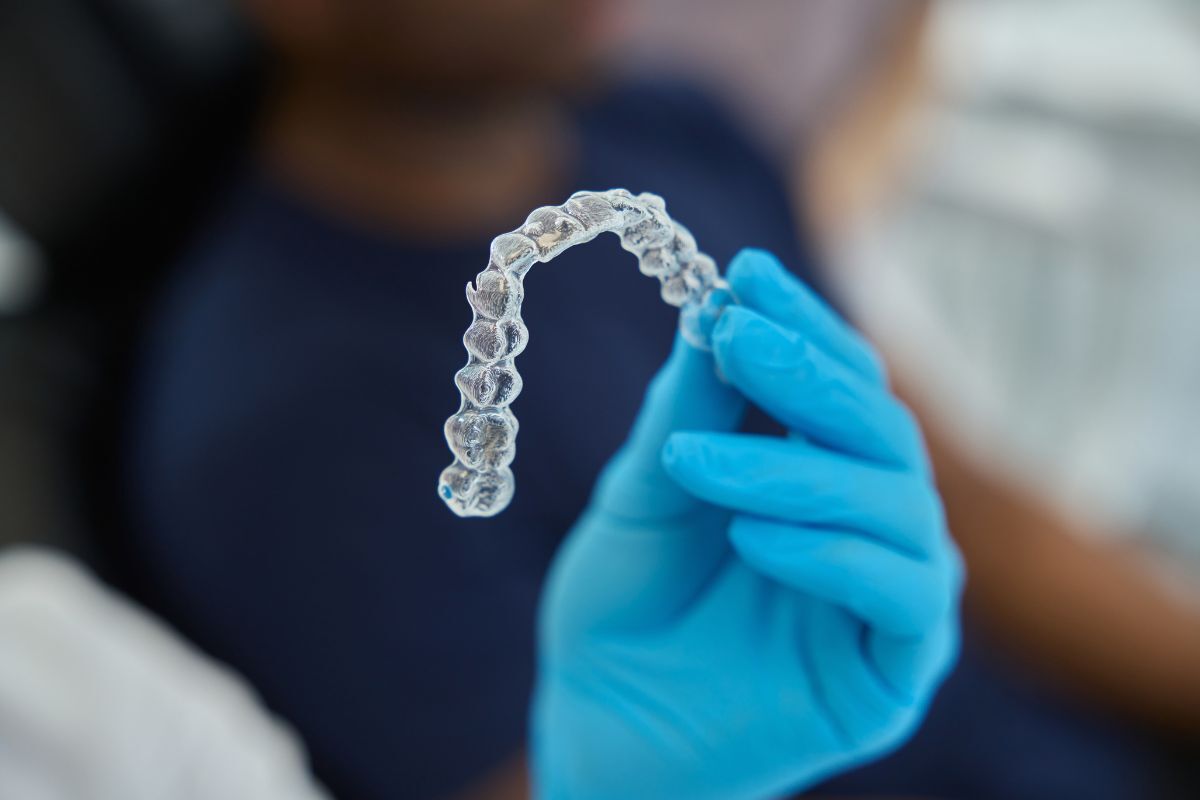
An orthodontist, on the other hand, is a specialist who focuses on aligning your teeth and jaws. They deal with issues like crooked teeth, overbites, underbites, and crowded mouths. Orthodontists are experts in correcting misalignments to improve both the function and aesthetics of your smile. They often use tools like braces, clear aligners, retainers, and other appliances to achieve these results.
While a dentist might identify alignment issues during a checkup, an orthodontist has the advanced training to address them effectively. Their work goes beyond cosmetics—it can also improve your bite, reduce jaw pain, and even help with speech or chewing difficulties. Orthodontists play a key role in creating balanced, healthy smiles through precise, specialized treatments.
Education and Training: A Key Difference
The biggest difference between a dentist and an orthodontist lies in their education. Both start with a similar foundation. They complete a bachelor’s degree, followed by four years of dental school to earn a Doctor of Dental Surgery (DDS) or Doctor of Dental Medicine (DMD) degree. After dental school, a general dentist can begin practicing immediately.
An orthodontist, however, undergoes additional training. They complete a two- to three-year residency program focused solely on orthodontics. This advanced education covers diagnosing, preventing, and treating dental and facial irregularities. Orthodontists also learn to use specialized tools and techniques for alignment treatments. Some even pursue board certification through the American Board of Orthodontics, showcasing their expertise. This extra training makes orthodontists uniquely qualified for complex alignment cases.
When Should You See a Dentist vs. an Orthodontist?
Knowing who to visit depends on your dental needs. A dentist is your first stop for routine care. Schedule regular visits—typically every six months—for cleanings, exams, and X-rays. If you have a toothache, need a filling, or want a whitening treatment, your dentist can help. They also handle emergencies like a chipped tooth or severe gum swelling.
If your dentist notices alignment issues, they’ll likely refer you to an orthodontist. For example, if you have crowded teeth, a misaligned bite, or gaps, an orthodontist can create a tailored treatment plan. Orthodontists are also the experts to see for ongoing care if you’re already using braces or aligners. In Columbia, TN, finding a skilled orthodontist in Columbia, TN, can ensure you get specialized care for a straighter, healthier smile.
Treatments Offered: General Care vs. Specialized Alignment
Dentists provide a wide range of treatments to maintain oral health. They perform fillings, crowns, and bridges to restore damaged teeth. They also treat gum disease, conduct oral cancer screenings, and offer advice on brushing and flossing techniques. Some dentists provide basic orthodontic services, like clear aligners, but their expertise is limited compared to a specialist.
Orthodontists focus on alignment-specific treatments. They design and fit braces in Columbia, TN, for patients needing comprehensive correction. They also offer clear aligners, retainers, and other appliances to adjust teeth and jaws. Orthodontists monitor progress over months or years, making adjustments to ensure the best results. Their specialized care is ideal for complex cases that go beyond general dental treatment.
Benefits of Seeing Both Professionals
Visiting both a dentist and an orthodontist can optimize your oral health. Your dentist ensures your teeth and gums stay healthy, catching issues early. They provide the foundation for a strong smile through cleanings and preventive care. Meanwhile, an orthodontist addresses alignment concerns that can improve your bite, reduce wear on teeth, and enhance your appearance.
For example, straight teeth are easier to clean, lowering the risk of cavities and gum disease. Proper alignment can also alleviate jaw pain or headaches caused by a misaligned bite. By working together, these professionals help you achieve a healthy, confident smile that lasts a lifetime.
Trending FAQs About Orthodontists and Dentists
Here are some frequently asked questions people search for on Google about orthodontists and dentists:
- What’s the main difference between a dentist and an orthodontist?
The main difference is their focus—dentists handle general oral health, while orthodontists specialize in aligning teeth and jaws. - Can a dentist do the same work as an orthodontist?
A dentist can offer basic alignment treatments, but orthodontists have advanced training for complex cases like severe misalignments. - Do I need a referral to see an orthodontist?
Not always. While some dentists refer patients, you can often schedule directly with an orthodontist for a consultation. - How do I know if I need to see an orthodontist?
If you have crooked teeth, bite issues, or jaw pain, an orthodontist can help. Your dentist can also recommend a specialist if needed. - Can orthodontists perform regular dental checkups?
Orthodontists focus on alignment, so they don’t typically handle routine checkups or cleanings—that’s the dentist’s role.
These FAQs address common concerns, helping you understand when to seek each professional’s expertise.
Choosing the Right Professional for Your Smile
Deciding between a dentist and an orthodontist comes down to your specific needs. Start with your dentist for routine care and overall oral health. If alignment issues arise, an orthodontist can provide the specialized treatment required. Both professionals work together to ensure your smile stays healthy and beautiful. By understanding their roles, you can make informed decisions about your dental care and take proactive steps toward a confident smile.