
Do Clear Aligners Really Work as Fast as Braces?

Many people dream of a straighter smile but worry about how long it will take. Orthodontic options have evolved, sparking debates on speed and results. This post dives into whether one popular choice matches the pace of a classic method. You’ll gain insights to help decide what’s best for your teeth.
Understanding Clear Aligners and Traditional Braces
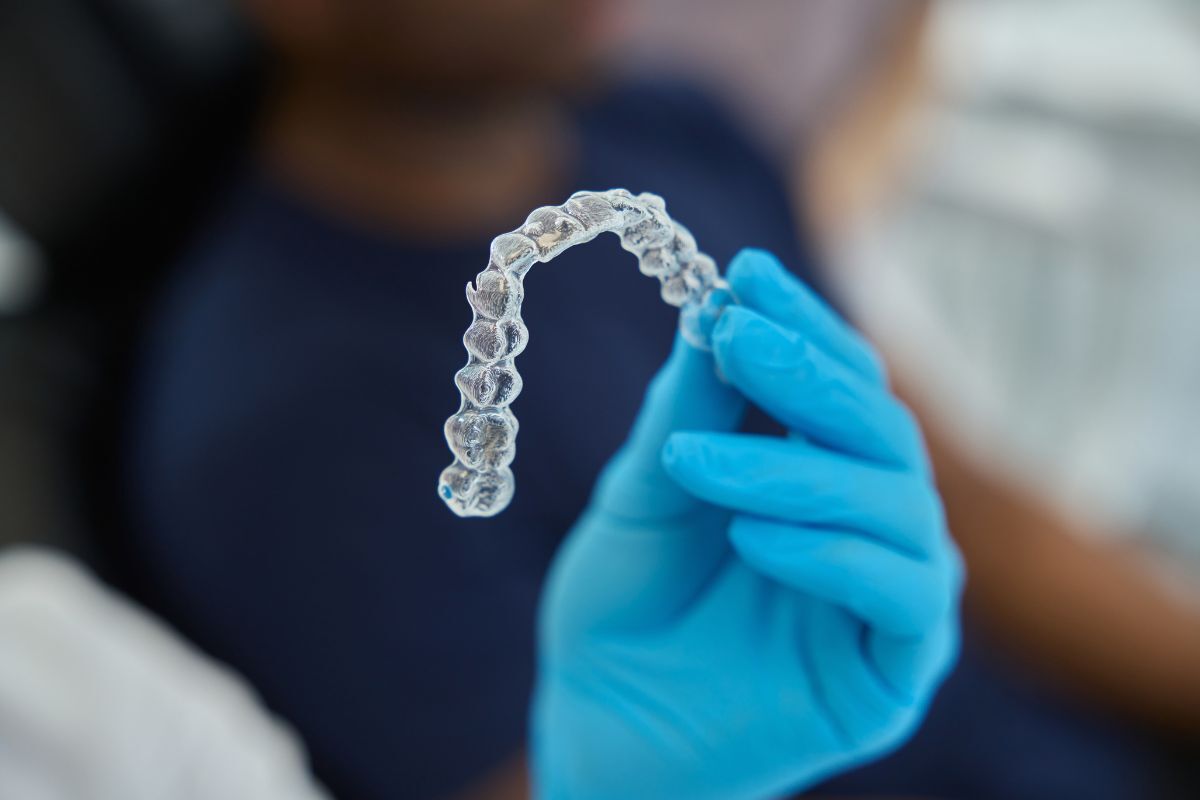
Clear aligners are removable trays made from smooth plastic. They fit snugly over teeth and shift them gradually. Users switch trays every few weeks. Braces use metal brackets and wires fixed to teeth. Dentists adjust them periodically to apply steady pressure.
Both aim to correct alignment issues like crowding or gaps. Clear aligners appeal to those seeking discretion. Braces handle a wide range of corrections effectively. Knowing the basics helps compare their timelines.
Factors That Influence Treatment Speed
Treatment duration varies by individual needs. Case complexity plays a big role. Mild misalignments resolve more quickly than severe bite problems. Patient age matters too. Younger jaws respond faster to shifts.
Compliance is key. Removable options require discipline. Fixed systems work around the clock. Lifestyle habits, like diet or oral care, affect progress. Regular check-ups ensure adjustments stay on track.
Average Treatment Times: A Side-by-Side Look
Research shows timelines differ based on the method. For mild cases, clear aligners often take 6 to 12 months. Braces might take 12 to 18 months for similar issues. Moderate corrections with aligners span 12 to 18 months. Braces extend to 18 to 24 months.
Severe problems favor braces for efficiency. They can achieve results in 24 to 36 months. Aligners may need extra time here. Always consult a professional for personalized estimates.
Here’s a table summarizing average durations from studies and orthodontic data:
| Issue Severity | Clear Aligners Duration | Braces Duration |
|---|---|---|
| Mild | 6-12 months | 12-18 months |
| Moderate | 12-18 months | 18-24 months |
| Severe | 18-24+ months | 24-36 months |
These stats come from sources like orthodontic journals and patient outcomes.
Pros and Cons of Clear Aligners
Clear aligners offer invisibility during wear. They allow easy removal for eating or brushing. This reduces food restrictions. Comfort is higher without wires poking cheeks.
Drawbacks include the need for 20-22 hours of daily use. Forgetting them slows progress. They suit simpler cases best. Complex shifts might require attachments for a better grip.
Pros and Cons of Braces
Braces provide constant force for reliable movement. They tackle tough issues like rotations or overbites. Adjustments happen in the office, ensuring precision.
On the downside, they show prominently. Cleaning around brackets takes effort. Certain foods can damage wires. Irritation from metal is common at first.
When Clear Aligners Might Outpace Braces
For straightforward alignments, clear aligners can move faster. Their custom design targets specific teeth efficiently. Digital planning predicts outcomes accurately. This shortens overall time.
Patient commitment boosts speed. Wearing trays consistently yields quicker shifts. In contrast, braces rely on scheduled visits. Delays in adjustments can extend the duration.
Local options make a difference. Residents seeking clear aligners in Columbia, TN, find providers with advanced tech for streamlined care. This enhances efficiency without compromising results.
Addressing Common Concerns About Effectiveness
People often question whether removable trays match fixed appliances in power. Studies indicate both achieve similar outcomes in many cases. Aligners use progressive pressure effectively.
Pain levels differ. Aligners cause less initial discomfort. Braces might ache more after tightening. Both subsidies over time. Maintenance routines vary, too. Aligners clean easily. Braces need special tools.
Tips for Faster Results Regardless of Choice
Follow instructions closely. Attend all appointments. Maintain excellent hygiene to avoid setbacks. Eat soft foods during adjustments.
Track progress with photos. Communicate concerns early. This keeps treatment on course. Patience pays off in the end.
If you’re unsure which fits your lifestyle, schedule an appointment with our orthodontist. They assess your smile and guide options.
Trending FAQs on Clear Aligners vs. Braces
Here are some frequently asked questions based on what people search on Google:
- Are clear aligners as effective as braces? Yes, for mild to moderate issues like crowding or spacing. They achieve comparable results but may not suit severe bite corrections where braces excel.
- How long do clear aligners take compared to braces? Clear aligners often take 6-18 months for simpler cases, while braces average 18-24 months. Timelines depend on complexity and adherence.
- Do clear aligners hurt less than braces? Generally, yes. Aligners cause mild pressure without wire irritation. Braces can feel sore after adjustments, but discomfort eases quickly.
- Can clear aligners fix overbites or underbites? They handle mild versions well with attachments. Severe cases benefit more from braces’ stronger control over jaw positioning.
- What if I forget to wear my clear aligners? Progress slows. Aim for 20-22 hours daily. Consistent wear ensures faster, better outcomes.
These address top searches and provide quick answers.
Choosing Based on Your Lifestyle
Consider daily routines. Active adults prefer removable options for meetings or sports. Teens might need fixed systems for reliability.
Think about visibility. Discreet choices boost confidence. Weigh commitment levels. Both demand effort for success.
Final Thoughts on Speed and Success
Orthodontic journeys vary, but both methods deliver straighter teeth. Focus on what aligns with your goals. Professional input clarifies the path.
Ready for a consultation? Schedule an appointment to explore your options today. Your perfect smile awaits.


