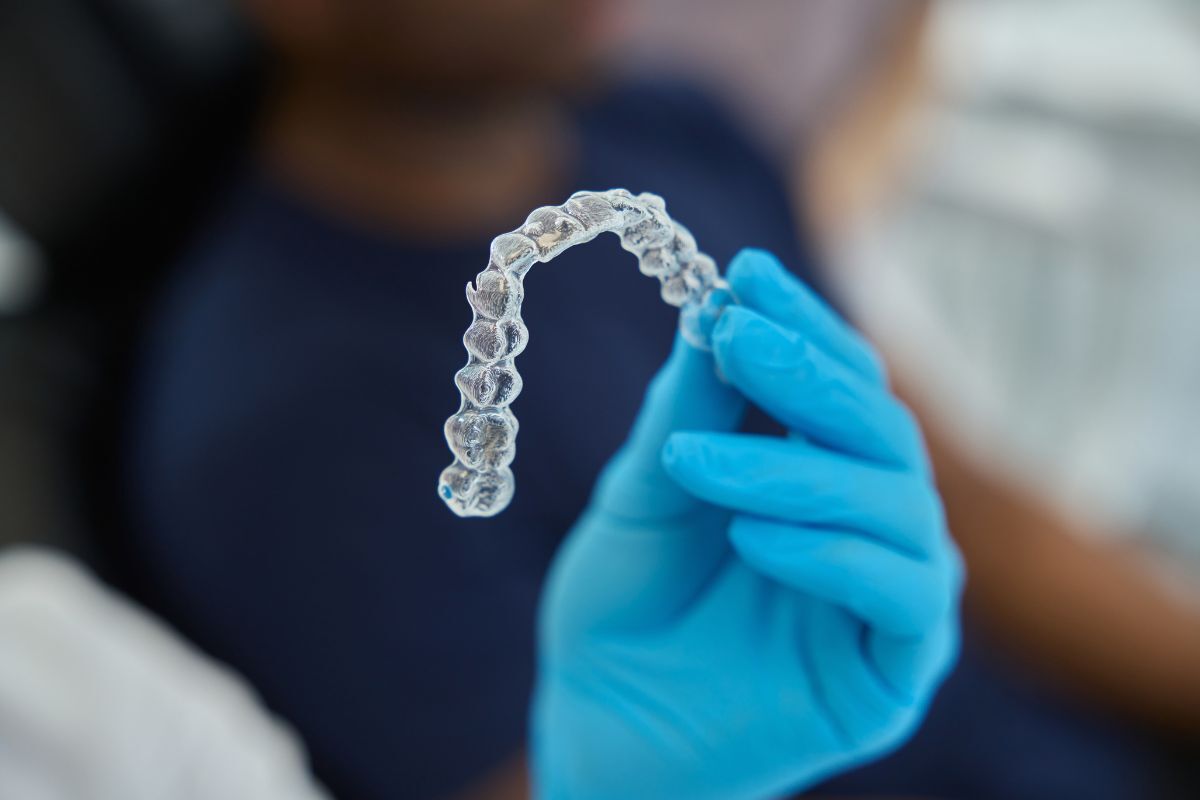
How Do Braces Actually Move Your Teeth?


Ever stared at your reflection and wished for a straighter smile? That subtle shift in your teeth isn’t magic—it’s the quiet work of orthodontic science at play. If you’ve ever wondered what happens beneath the surface during braces treatment, you’re not alone. This guide breaks it down simply, step by step, so you can feel confident about your path to a brighter grin. Let’s dive into the fascinating mechanics that turn crooked into confident.
The Basics of Braces: Key Components at Work
Braces start with familiar parts, but each plays a vital role in tooth alignment. Brackets glue directly to your teeth, acting like tiny anchors. These come in metal for durability or ceramic for a subtler look.
Archwires thread through the brackets, shaping your dental arch. Initially soft, they harden over time to apply steady force. Elastics or rubber bands connect upper and lower jaws, guiding bite corrections.
Ligatures secure the wire to brackets, fine-tuning pressure. Together, these elements create controlled movement, addressing issues like overcrowding or gaps. Orthodontic experts customize setups based on your unique bite, ensuring targeted shifts.
The Science of Tooth Movement: Pressure and Remodeling
Teeth aren’t fixed like rocks—they float in jawbone sockets, held by the periodontal ligament. This tough tissue cushions roots and absorbs daily forces.
When braces apply gentle pressure, the ligament stretches on one side and compresses on the other. This signals your body to remodel bone. Osteoclasts break down bone where pressure pushes, while osteoblasts build new bone on the pull side.
Over weeks, roots glide through reshaped sockets. It’s a biological dance: pressure triggers cellular activity, slowly repositioning teeth millimeter by millimeter. Studies show this process stabilizes after consistent force, leading to lasting alignment.
Step-by-Step: From Placement to Progress
- Initial Bonding: Brackets attach, and a light wire starts subtle shifts.
- Wire Upgrades: Stronger wires ramp up force for bigger moves.
- Adjustments: Monthly visits tweak components for precision.
- Retention Phase: After removal, retainers lock in results.
This phased approach minimizes discomfort while maximizing efficiency. Patients often notice changes in 4-6 weeks, though full transformation takes 12-24 months.
What to Expect: Timeline and Daily Life with Braces
Curious about the journey? Most treatments span one to two years, depending on complexity. Crowded teeth might need longer, while minor tweaks wrap up faster.
You’ll visit your orthodontist every 4-8 weeks for tweaks. These keep the momentum going without overwhelming your routine. Soreness hits after adjustments but fades in days—think mild workout ache.
Soft foods help early on: yogurt, soups, mashed potatoes. Avoid sticky candies or hard nuts to prevent bracket damage. Brushing twice daily and using flossing tools like threaders help keep plaque at bay. Good hygiene prevents white spots or gum issues.
For those in smaller towns, options abound. Many folks getting braces in Columbia, TN, appreciate the personalized care from local specialists who understand regional needs, blending expertise with convenience.
Busting Myths: Separating Fact from Fiction
Myth: Braces pull teeth out painfully. Fact: They guide gradual shifts with controlled force—no yanking involved.
Myth: Only kids need them. Fact: Adults make up 25% of cases, proving it’s never too late for alignment.
Myth: Treatment hurts constantly. Fact: Initial tenderness eases quickly; over-the-counter relief works wonders.
These clarifications ease worries, letting you focus on the positives—like easier chewing and a boosted smile.
Quick Stats: The Impact of Orthodontic Treatment
Here’s a snapshot of braces’ reliability, drawn from orthodontic research:
| Aspect | Statistic | Source Insight |
|---|---|---|
| Success Rate | 88-90% for alignment | AAO and clinical studies |
| Adult Patients | 25-30% of total cases | Growing trend in orthodontics |
| Average Treatment Time | 18-24 months | Varies by case complexity |
| Bone Remodeling Speed | 1mm per month | Periodontal ligament response |
These numbers highlight why braces remain a gold standard for straight smiles.
Trending FAQs: Answering What People Really Ask
Based on common Google searches, here’s a rundown of top questions about braces mechanics. We’ve pulled real queries to address your curiosities head-on.
- How long does it take for braces to start moving teeth? Visible shifts often appear in 1-2 months, but cellular changes begin immediately with consistent pressure.
- Do braces hurt when you first get them? A bit of tenderness is normal for 3-5 days post-placement or adjustment. Ice packs and soft foods soothe it fast.
- How do braces close gaps between teeth? Archwires and elastics pull roots together, while bone remodels to fill space—think of it as guided drifting.
- Can adults get braces for crooked teeth? Absolutely. Flexible options like ceramic brackets suit grown-up lifestyles without compromise.
- Why do orthodontists change the wires? Upgraded wires deliver escalating force, speeding precise movements without excess strain.
These insights come from patient chats and expert guidelines, helping you prep like a pro.
Maintaining Momentum: Tips for Optimal Results
Stay proactive to speed success. Chew gum with orthodontist approval—it aids jaw alignment. Nightly retainers post-treatment prevent relapse; wear them as directed.
Track progress with monthly photos. Share concerns early—your team can adjust for comfort. Hydrate well; it supports tissue health during shifts.
If you are searching for an orthodontist near you, look for board-certified pros who prioritize clear communication and tailored plans. Their guidance turns treatment into a smooth ride.
Your Smile’s Next Chapter Awaits
You’ve got the blueprint now—braces aren’t just hardware; they’re a partnership with your body’s own remodeling magic. From that first bracket snap to the reveal of aligned teeth, every step builds toward a smile that feels like you. Ready to start? Reach out to schedule an appointment and unlock your best grin yet.