How Can Dental Technology Improve Your Experience With a Dentist in Columbia, TN?

Dental technology has changed how dental professionals examine teeth, identify potential concerns, and plan treatment. Tools such as digital X-rays, intraoral cameras, and 3D imaging can help dentists gather information that supports more informed decisions about oral health.
If you’re looking for a dentist in Columbia, TN, understanding the role of dental technology can help you ask better questions during your next appointment.
At The Art of Dentistry, technology is part of the practice’s approach to dental care. The office lists digital X-rays, intraoral cameras, cone beam imaging, CEREC technology, and dental lasers among its available tools.
Here’s how these technologies may contribute to your dental experience and what patients should know about their benefits and limitations.
Digital X-Rays Can Help Identify Hidden Dental Concerns
A visual examination allows your dentist to assess many aspects of your teeth and gums, but some structures cannot be evaluated fully by looking inside the mouth.
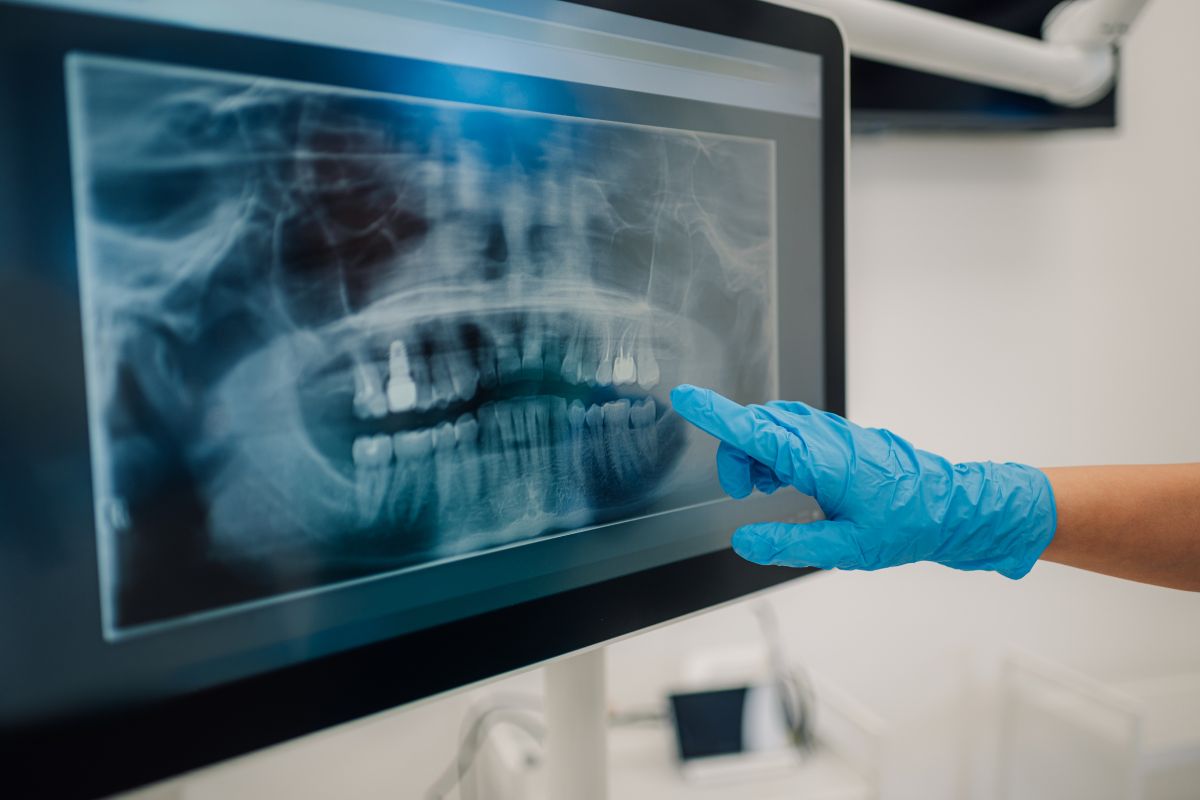
Dental X-rays can provide additional information about areas such as the spaces between teeth, tooth roots, and supporting bone.
Digital X-ray systems capture images electronically. Depending on the equipment, they may allow images to be viewed quickly and adjusted to make certain details easier to assess.
These images can help your dentist investigate concerns such as tooth decay, changes around tooth roots, and bone-related problems.
However, X-rays are not necessary at every appointment for every patient. Your dentist should recommend imaging based on your symptoms, dental history, examination findings, and individual needs.
Intraoral Cameras Can Make Dental Findings Easier to Understand
Have you ever wondered what your dentist sees while examining a particular tooth?
An intraoral camera can capture close-up images inside your mouth. These images may be displayed on a screen so you and your dentist can look at the same area together.
This can make it easier to discuss visible concerns, such as a damaged restoration, a chipped tooth, or changes in the appearance of a tooth.
For patients who feel uncertain about a recommended procedure, seeing the area being discussed may help clarify the conversation.
An intraoral camera does not replace a complete examination or other diagnostic tools. Instead, it provides another way to communicate findings and explain why further evaluation or treatment may be appropriate.
Cone Beam Imaging Can Provide a Three-Dimensional View
Some dental procedures require more detailed information about the structures beneath the gums.
Cone beam computed tomography, commonly called CBCT, creates three-dimensional images of relevant oral and facial structures. It may be used when conventional imaging does not provide enough information for a particular clinical question.
For example, a dentist may consider CBCT imaging when evaluating certain dental implant cases or complex anatomical relationships.
Three-dimensional imaging can help the dental professional assess bone dimensions and the location of important structures when planning appropriate treatment.
CBCT is not needed for every patient or every dental procedure. Because it involves radiation exposure, it should be used when the additional information is expected to provide a clinical benefit.
Ask your dentist why a particular scan is recommended and how the results will affect your treatment plan.
CEREC Technology May Support Certain Restorative Treatments
When a tooth is damaged or weakened, restorative dentistry may help rebuild its structure and function.
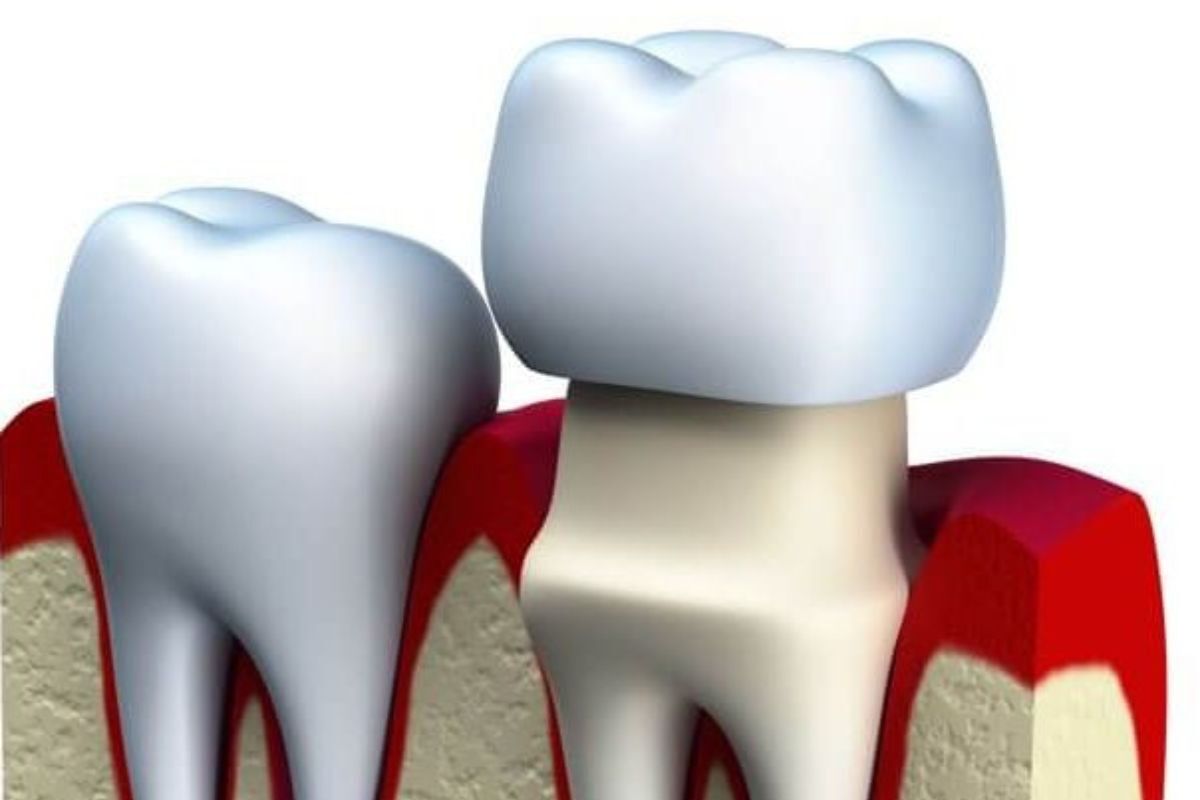
CEREC is a dental technology system used for designing and producing certain restorations, including crowns. Depending on the clinical situation and the equipment available, the process may allow a restoration to be created in the dental office.
One potential benefit is that eligible patients may be able to complete certain restorative treatments with fewer appointments.
However, not every crown or restoration can be completed in one visit. The condition of the tooth, the type of restoration, and the individual treatment plan all influence the process.
Your dentist can explain whether CEREC is appropriate for your needs and what to expect before, during, and after treatment.
Dental Lasers Have Specific Uses in Dental Care
Dental lasers use concentrated light energy for selected dental procedures. Different laser systems are designed for different purposes.
Depending on the device and treatment, lasers may be used for certain soft-tissue procedures or to assist with selected hard-tissue treatments.
The possible benefits depend on the procedure being performed. A laser is not automatically better than conventional instruments in every situation, and it does not eliminate the need for appropriate diagnosis, technique, or aftercare.
If your dentist recommends laser-assisted treatment, ask what the laser will be used for, what alternatives are available, and what recovery may involve.
Understanding the purpose of the technology is more helpful than choosing a procedure based on the equipment alone.
Technology Works Best With a Personalized Treatment Plan
Modern dental tools can provide valuable information, but technology alone does not determine which treatment is right for you.
Your dentist must interpret the findings alongside your symptoms, medical history, dental history, and treatment goals.
For instance, imaging may help identify a problem, but the appropriate response could range from monitoring it to recommending restorative treatment. The right choice depends on the diagnosis and the risks and benefits of each option.
Patients should feel comfortable asking questions about their results and discussing alternatives when appropriate.
A thoughtful treatment plan considers both clinical findings and your individual circumstances.
Ask These Questions at Your Next Dental Appointment
If you’re curious about the technology used during your visit, consider asking:
- What does this imaging or dental tool help you evaluate?
- Why is it recommended for my situation?
- Are there alternatives?
- How will the findings affect my treatment plan?
- What should I expect during the procedure?
- Will the technology change the number of appointments I need?
These questions can help you understand the purpose of each step rather than feeling that unfamiliar equipment is simply part of the process.
Choosing a Dentist in Columbia, TN
When comparing dental practices, technology is one factor to consider alongside the dentist’s experience, available services, communication style, and approach to patient comfort.
A well-equipped office can offer useful diagnostic and treatment options, but patients also benefit from clear explanations and recommendations tailored to their needs.
The Art of Dentistry in Columbia, TN, lists several dental technologies intended to support examinations, treatment planning, and selected restorative procedures. Patients can discuss which tools may be relevant to their individual care.
Ultimately, the goal is not to use the newest technology at every appointment. It is to use appropriate tools to support accurate assessment, informed decisions, and effective dental care.
Frequently Asked Questions
What technology can a dentist use during a dental examination?
Depending on your needs, your dentist may use digital X-rays, intraoral cameras, or other diagnostic tools. More specialized imaging may be recommended for particular clinical situations.
Are digital dental X-rays safe?
Dental X-rays involve radiation, so they should be taken when clinically appropriate. Your dentist considers your dental history, symptoms, and diagnostic needs when deciding whether imaging is necessary.
Does every dental patient need a 3D scan?
No. Cone beam imaging is generally reserved for situations where three-dimensional information is expected to help with diagnosis or treatment planning.
Can dental technology reduce the number of appointments I need?
Sometimes. Certain in-office restorative systems may allow eligible treatments to be completed with fewer visits. The number of appointments depends on the procedure and your individual circumstances.
Is a technologically advanced dental office always the best choice?
Technology can be helpful, but it is only one consideration. Clinical judgment, appropriate training, clear communication, patient comfort, and personalized treatment planning are also important.