How Long Should Teens Wear Retainers After Braces?


Getting braces off is a milestone for any teen. That dazzling smile finally shines through after months or years of orthodontic work. But the journey doesn’t end there. Retainers are the unsung heroes that keep those perfectly aligned teeth in place. So, how long should teens wear retainers after braces? Let’s dive into this critical phase of orthodontic care, addressing common concerns and offering practical tips to ensure that your smile stays stunning.
Why Are Retainers So Important?
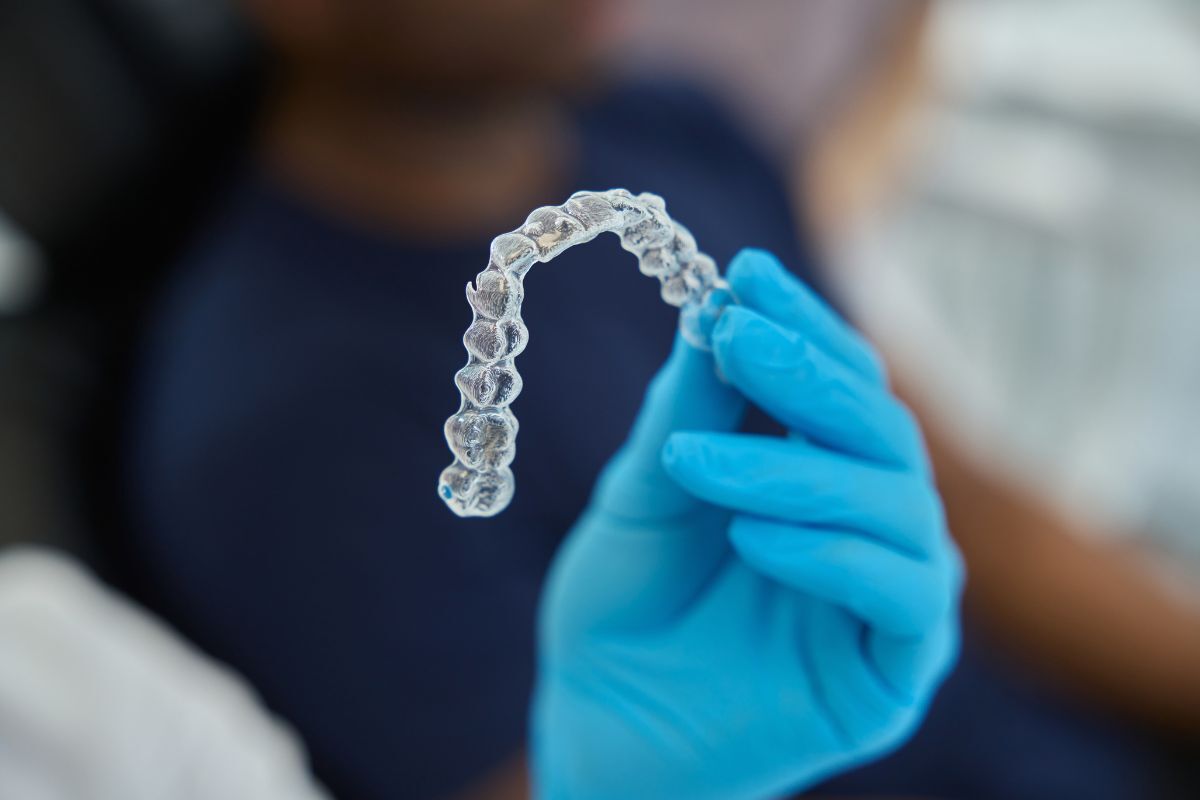
Retainers play a pivotal role in maintaining the results of braces. After braces are removed, teeth have a natural tendency to shift back to their original positions. This phenomenon, called relapse, happens because the bone and gums need time to stabilize around the newly aligned teeth. Retainers hold teeth in place, allowing the surrounding tissues to adapt. Without consistent retainer use, all that hard work from braces could unravel, leading to misaligned teeth and a less confident smile.
How Long Do Teens Need to Wear Retainers?
The duration of retainer wear varies, but orthodontists generally recommend a structured plan. For the first 6-12 months after braces, teens should wear their retainers full-time, typically 22 hours a day, removing them only for eating, brushing, or specific activities like sports. After this initial phase, many teens transition to nighttime-only wear. However, the timeline depends on individual factors like age, dental history, and how well the teen follows the orthodontist’s instructions.
Some teens may need to wear retainers at night for several years, while others might require lifelong nighttime use to prevent shifting. An orthodontist in Columbia can assess a teen’s specific needs through follow-up appointments, ensuring the retainer plan is tailored for long-term success.
Full-Time Wear: The First Year
Full-time retainer wear is critical in the first year. During this period, the bone around the teeth is still remodeling. Teens should only remove retainers for meals, oral hygiene, or activities like playing a musical instrument. Consistent wear during this phase minimizes the risk of teeth shifting. Parents can help by reminding teens to stick to the schedule and keeping retainers clean and safe.
Transitioning to Nighttime Wear
After the first year, many orthodontists allow teens to switch to nighttime-only retainer wear. This phase often lasts for a few years, though some teens may need to continue indefinitely. Nighttime wear is less demanding, but consistency remains key. Teens should avoid skipping nights, as even small gaps in wear can lead to subtle shifts that are hard to correct later.
What Factors Influence Retainer Wear Duration?
Several factors determine how long a teen needs to wear a retainer:
- Age: Younger teens, whose jaws are still growing, may need longer retainer use to maintain alignment as their bones develop.
- Type of Orthodontic Treatment: Complex cases, like severe crowding or bite issues, often require extended retainer wear.
- Compliance: Teens who follow their orthodontist’s instructions diligently are more likely to transition to nighttime wear sooner.
- Dental Habits: Habits like teeth grinding or tongue thrusting can affect how long retainers are needed.
Regular checkups with an orthodontist ensure the retainer plan evolves with the teen’s needs, keeping their smile on track.
Common Challenges with Retainer Wear
Wearing retainers isn’t always smooth sailing. Teens may face issues like discomfort, speech difficulties, or forgetting to wear them. One common concern is gum pain from retainers. This can occur if the retainer doesn’t fit properly or if it’s worn inconsistently, causing pressure on the gums. If discomfort persists, a quick visit to the orthodontist can adjust the fit or address underlying issues like inflammation.
Other challenges include:
- Forgetting to Wear Retainers: Busy schedules or forgetfulness can lead to inconsistent wear. Setting reminders or keeping retainers near the bedside can help.
- Cleaning Retainers: Food particles and bacteria can build up, leading to odors or irritation. Teens should clean retainers daily with a soft toothbrush and non-abrasive cleaner.
- Losing Retainers: Misplacing retainers is common. Using a brightly colored case or storing them in the same spot every time can prevent loss.
Tips for Successful Retainer Wear
To make retainer wear a breeze, teens and parents can follow these practical tips:
- Create a Routine: Incorporate retainer wear into daily habits, like putting them in right after brushing at night.
- Use a Retainer Case: Always store retainers in a protective case when not in use to avoid damage or loss.
- Stay Consistent: Even one skipped night can allow teeth to shift slightly, so stick to the schedule.
- Visit the Orthodontist Regularly: Checkups ensure retainers fit well and teeth remain aligned.
- Communicate Issues Early: If retainers feel tight or cause discomfort, contact the orthodontist promptly to avoid complications.
Trending FAQs on Retainer Wear for Teens
Here are answers to some of the most frequently asked questions about retainers, based on what people are searching for:
- How long do you have to wear a retainer after braces? Most teens wear retainers full-time for 6-12 months, then switch to nighttime wear for several years or indefinitely, depending on their orthodontist’s advice.
- Can I stop wearing my retainer after a year? Stopping after a year is risky, as teeth can still shift. Most orthodontists recommend nighttime wear for at least a few years or longer.
- What happens if I don’t wear my retainer? Teeth may shift back toward their original positions, undoing the results of braces. This can require additional orthodontic treatment to fix.
- How do I know if my retainer still fits? A well-fitting retainer feels snug but not overly tight. If it’s hard to put on or causes pain, see your orthodontist for an adjustment.
- Can retainers cause gum pain? Yes, if they don’t fit properly or are worn inconsistently, retainers can irritate gums. Persistent pain warrants a professional checkup.
How to Care for Retainers
Proper retainer care extends their lifespan and keeps them effective. Teens should:
- Clean Daily: Use lukewarm water and a soft toothbrush to clean retainers. Avoid hot water, as it can warp plastic retainers.
- Avoid Harsh Chemicals: Toothpaste or alcohol-based cleaners can damage retainers. Use mild soap or a retainer cleaning solution.
- Store Safely: Keep retainers in a case when not in use to prevent damage or loss.
- Handle with Care: Avoid bending or twisting retainers, especially wire-based ones, to maintain their shape.
The Long-Term Benefits of Retainer Wear
Sticking to a retainer schedule pays off. A consistent routine preserves the smile achieved through braces, boosting confidence and oral health. Teens who follow their orthodontist’s guidance are less likely to need corrective treatments later. Plus, a well-maintained smile can enhance self-esteem, making those teenage years a little brighter.
Conclusion: Keep That Smile Shining
The journey to a perfect smile doesn’t end when braces come off. Retainers are the key to locking in those results, and with the right habits, teens can maintain their stunning smiles for years to come. By following their orthodontist’s plan, staying consistent, and addressing any issues early, teens can enjoy the confidence of a straight, healthy smile. If you’re looking for personalized guidance, contact The Art of Dentistry at 931-286-3059 to schedule an appointment and keep your teen’s smile on track.