
Sedation Options: Which Is Safest for Implant Procedures?

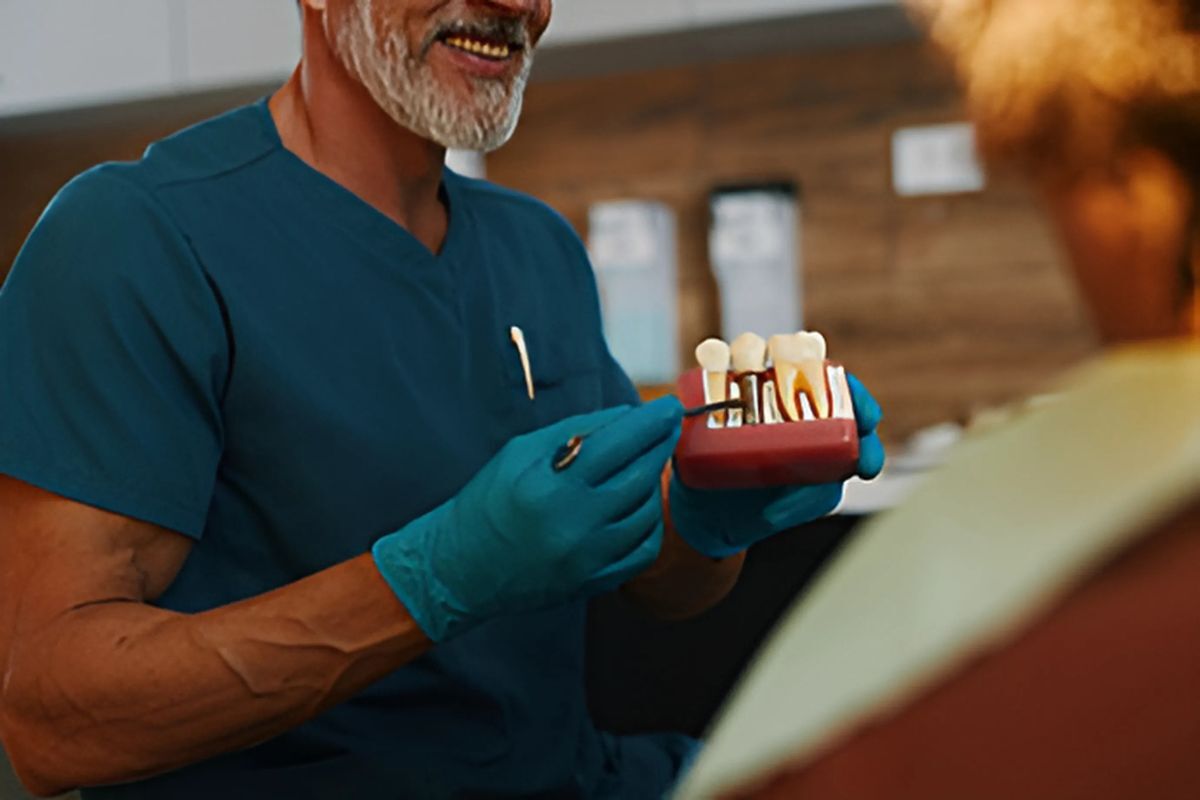
Dental implant surgery can transform your smile, but the thought of the procedure may cause anxiety. Many patients wonder how to stay comfortable and relaxed during the process. Sedation dentistry offers solutions to ease nerves and ensure a smooth experience. This guide explores the safest sedation options for dental implant procedures, addressing common concerns and providing actionable insights to help you feel confident.
Understanding Dental Implant Surgery
Dental implants are titanium posts surgically placed into the jawbone to act as artificial tooth roots. These posts support crowns, bridges, or dentures, restoring both function and aesthetics. The procedure involves precise steps, often requiring multiple visits. While highly effective, the surgical nature of implants can raise concerns about discomfort, making sedation a popular choice for many patients.
Why Sedation Matters for Dental Implants
Sedation helps manage anxiety, reduce discomfort, and improve the overall experience during implant surgery. It ensures patients remain calm and still, allowing dentists to work with precision. The right sedation method depends on factors like anxiety levels, procedure complexity, and medical history. Choosing a safe and effective option is key to a successful outcome.
Benefits of Sedation in Implant Surgery
- Anxiety Relief: Sedation calms nerves, making the procedure less stressful.
- Pain Management: It minimizes discomfort during and after surgery.
- Efficiency: Relaxed patients enable faster, more precise work.
- Reduced Gag Reflex: Sedation helps suppress reflexes that may interfere.
Common Sedation Options for Dental Implants
Several sedation methods are available, each tailored to different needs. Below, we explore the most common options used in dental implants in Columbia, TN, focusing on their safety and suitability.
Nitrous Oxide (Laughing Gas)
Nitrous oxide, or laughing gas, is inhaled through a mask, inducing a mild, calming effect. You stay conscious and responsive but feel relaxed. Its quick onset and rapid recovery make it a safe choice for mild anxiety or shorter procedures. The effects wear off within minutes, allowing you to resume normal activities soon after.
Oral Sedation
Oral sedation involves taking a prescribed pill, such as Valium or Halcion, about an hour before surgery. It provides moderate relaxation, leaving you drowsy yet awake. This option suits patients with mild to moderate anxiety. However, you’ll need someone to drive you home, as effects can linger for a few hours.
General Anesthesia
General anesthesia, where you’re fully unconscious, is rarely used for dental implants unless the procedure involves extensive surgery, like bone grafting. Administered by an anesthesiologist, it carries more risks and a longer recovery period. It’s typically reserved for specific cases due to its intensity.
Safety Considerations for Sedation
Safety is a top priority when choosing sedation for dental implant surgery. Each method has a strong safety profile when administered by trained professionals. Here’s what ensures safety across options:
- Qualified Providers: Dentists and anesthesiologists are trained to administer and monitor sedation.
- Patient Screening: Your medical history, including allergies and conditions, is reviewed to select the safest option.
- Vital Sign Monitoring: Heart rate, blood pressure, and oxygen levels are tracked.
- Tailored Approach: Sedation is customized based on procedure complexity and your comfort level.
For example, nitrous oxide is considered one of the safest due to its minimal systemic effects and rapid recovery. Oral sedation, while deeper, is safe with proper monitoring, as dentists can adjust dosages instantly.
Preparing for Sedation: What to Expect
Pre-implant procedures involve steps to ensure sedation safety. Your dentist will review your health history, discuss anxiety levels, and explain each option’s benefits and risks. You may need to avoid food or drink for several hours before oral sedation. Arranging a ride home is essential for most methods, except local anesthesia and nitrous oxide. Clear communication with your dental team ensures a personalized plan that prioritizes comfort and safety.
Trending FAQs on Sedation for Dental Implants
Patients often have questions about sedation for implant surgery. Below are answers to frequently asked questions, based on common searches:
- Is sedation necessary for dental implants?
Sedation isn’t always required but is recommended for comfort, especially for anxious patients or complex procedures. - Which sedation method is safest?
Nitrous oxide is often the safest due to its mild effects and quick recovery, but all methods are safe when tailored to your needs. - Will I feel pain during the procedure?
Local anesthesia, combined with sedation, ensures you feel little to no pain during surgery. - How long does recovery take after sedation?
Nitrous oxide recovery is quick (within minutes), while oral and general anesthesia may require a few hours of rest. - Can I drive home after sedation?
You can drive after nitrous oxide, but you need a ride home after oral or general anesthesia
Comparing Sedation Options: A Quick Overview
| Sedation Type | Level of Sedation | Best For | Recovery Time | Monitoring Required |
|---|---|---|---|---|
| Nitrous Oxide | Mild | Mild anxiety, short procedures | Minutes | Minimal |
| Oral Sedation | Moderate | Mild to moderate anxiety | A few hours | Moderate |
| General Anesthesia | Full Unconsciousness | Extensive surgeries, extreme anxiety | Longest | Extensive |
This table highlights key differences to help you discuss options with your dentist.
Choosing the Right Sedation for You
Selecting the safest sedation depends on your unique needs. Consider your anxiety level, the number of implants, and any medical conditions. For instance, a single implant may only require mild sedation, while multiple implants or bone grafting might benefit from general anesthesia. Openly share your concerns with your dentist to create a tailored plan. Their expertise ensures you feel safe and comfortable throughout the process.
Your Path to a Confident Smile
Dental implant surgery doesn’t have to be daunting. With a range of available sedation methods, you can find the perfect balance of comfort and safety for your procedure. Whether you choose nitrous oxide for mild relaxation or general anesthesia for deeper calm, your dental team will guide you every step of the way. Ready to explore your options? Contact us at 931-286-3059 to schedule a consultation and start your journey to a restored smile with confidence.