What Should You Tell Your Dentist About Changes in Your Mouth?


Not every change in your mouth means something is seriously wrong. A little sensitivity after drinking something cold, occasional gum irritation, or a sore spot after eating crunchy food may have a simple explanation.
Still, changes that persist, return frequently, or seem unusual deserve attention. Telling your dentist what you’ve noticed can help identify possible causes and determine whether an examination or treatment is needed.
At The Art of Dentistry in Columbia, TN, patients can discuss concerns about their teeth, gums, and overall oral health. Knowing what to watch for can help you describe symptoms clearly and seek care when appropriate.
Bleeding Gums During Brushing or Flossing
Seeing blood when you brush or floss can be easy to dismiss, especially if it happens regularly.
However, bleeding gums can be a sign of inflammation, often associated with plaque buildup along the gumline. Gum disease is another possible cause, and it may progress without significant pain in its early stages.
Tell your dentist how often the bleeding occurs and whether you have noticed swelling, tenderness, or persistent bad breath.
Do not automatically stop cleaning the affected area. Gentle brushing and appropriate interdental cleaning are important, but persistent bleeding should be evaluated so the underlying cause can be addressed.
Tooth Sensitivity That Keeps Returning
A brief twinge after drinking something cold may not seem urgent. Repeated or worsening sensitivity, however, can have several causes.
These may include enamel wear, gum recession, tooth decay, a cracked tooth, or a problem with an existing filling or crown.
Try to notice what triggers the discomfort. Does it happen with hot drinks, cold foods, sweets, biting, or brushing? Does it stop immediately, or does the pain linger?
Share those details with your dentist. Sensitivity alone cannot establish a diagnosis, but understanding when it occurs can help guide the examination.
Seek prompt dental advice if sensitivity becomes severe, continues to worsen, or is accompanied by swelling or spontaneous pain.
Sores or Patches That Do Not Heal
Mouth sores can develop for many reasons, including accidental biting, irritation from dental appliances, infections, or other conditions.
Many minor sores heal within a short period. However, an ulcer, lump, red or white patch, or other unusual change that persists for about two weeks should be examined by a dental or medical professional.
You should not wait that long if the area is growing, bleeding without an obvious cause, becoming increasingly painful, or accompanied by other concerning symptoms.
Mention when you first noticed the change, whether it has grown, and whether anything seems to irritate it.
A dental examination can help determine whether further evaluation is needed. Persistent mouth changes should not be diagnosed through online information alone.
Persistent Bad Breath or an Unusual Taste
Bad breath can sometimes be related to food, dry mouth, or temporary changes in your routine. When it persists despite regular brushing and flossing, it may indicate an underlying issue.
Possible causes include gum disease, tooth decay, food trapped between teeth, dry mouth, and certain medical conditions.
An unusual or unpleasant taste that continues to return is also worth mentioning, particularly if you have pain, gum swelling, or a history of dental treatment.
Your dentist can examine your teeth and gums, review your oral hygiene routine, and help determine whether dental care may address the problem.
Dry Mouth That Happens Frequently
Saliva helps lubricate the mouth, wash away food particles, and support the mouth’s natural defenses against decay.
If your mouth frequently feels dry, sticky, or uncomfortable, tell your dentist. Dry mouth may be associated with medications, dehydration, certain medical conditions, or other factors.
Persistent dryness can increase the risk of tooth decay and oral discomfort.
Your dentist may review your symptoms, discuss your oral-care routine, and recommend suitable strategies. If medication may be contributing, speak with the prescribing clinician before making any changes.
Drinking water regularly may help with mild dryness, but ongoing symptoms deserve a closer look.
A Change in Your Bite or Jaw Comfort
Your teeth should come together in a way that feels reasonably comfortable. If your bite suddenly feels different, a tooth feels higher than usual, or chewing becomes uncomfortable, mention it.
Possible explanations include a damaged tooth, a change involving an existing restoration, tooth movement, or jaw-related concerns.
Also tell your dentist if you notice persistent jaw soreness, clicking accompanied by discomfort, difficulty opening your mouth, or tooth wear that may be related to grinding.
Not every clicking sound requires treatment, but painful or worsening symptoms should be assessed. Sudden difficulty opening or closing your jaw may require prompt professional evaluation.
Dental Work That Feels Different
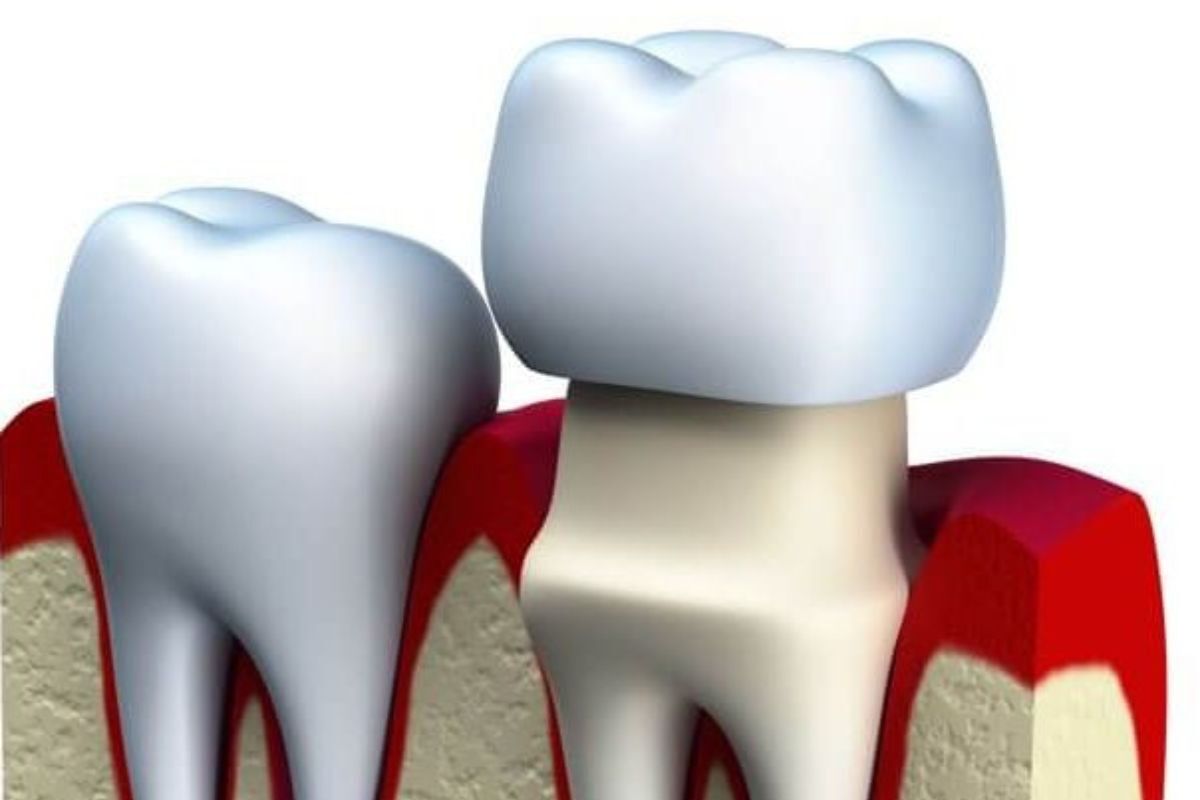
Fillings, crowns, bridges, and other restorations can serve patients well for years, but they may occasionally need attention.
Contact your dentist if a restoration feels loose, a crown seems to have shifted, food repeatedly becomes trapped in a new area, or chewing causes discomfort.
A chipped or broken restoration should also be assessed. Depending on the situation, your dentist may recommend repairing or replacing it.
If a restoration comes out, keep it safe and contact the dental office for instructions. Avoid using household glue or attempting a permanent repair yourself.
Prompt advice may help prevent further damage to the tooth.
When Should You Seek Urgent Dental Care?
Some symptoms need faster attention than a routine appointment.
Contact a dentist promptly for severe tooth pain, facial or gum swelling, a broken tooth with significant pain, or signs of a possible dental infection.
Facial swelling accompanied by fever or worsening symptoms needs urgent assessment. Difficulty breathing or swallowing, or rapidly spreading swelling, requires emergency medical care.
If a tooth has been knocked out, seek emergency dental care immediately because treatment timing can affect the chance of saving it.
When you call the dental office, explain your symptoms, when they started, and whether they are getting worse. This helps the team advise you on the appropriate next step.
Make It Easier to Explain What You Have Noticed
Before your appointment, write down a few details:
- When the symptom started
- Whether it happens continuously or occasionally
- What makes it better or worse
- Whether you have noticed swelling, bleeding, or pain
- Any recent dental treatment or injury
If a visible change comes and goes, a photo may help you describe what you observed, although it does not replace an examination.
The more clearly you describe your experience, the easier it may be for your dental team to assess the concern and recommend appropriate care.
Pay Attention to Changes, Not Just Pain
You don’t have to wait for a toothache to bring up an oral health concern. Bleeding gums, persistent sores, changes in your bite, and recurring sensitivity can all be worth discussing with a dental professional.
A dentist can help evaluate these changes, explain possible causes, and recommend the next steps based on your individual needs.
For patients in Columbia, TN, The Art of Dentistry offers general and restorative dental services as part of its comprehensive care. If something in your mouth feels different or does not seem to be improving, contacting the dental office is a sensible place to start.
Frequently Asked Questions
Should I see a dentist if my gums bleed when I brush?
Persistent bleeding can be a sign of gum inflammation or another problem. Continue gentle oral hygiene and arrange an evaluation, especially if bleeding happens frequently or occurs with swelling or tenderness.
How long should a mouth sore take to heal?
Many minor sores heal within about two weeks. A sore or unusual patch that persists for around two weeks should be examined, and sooner if it is worsening or accompanied by other concerning symptoms.
Can a dentist help with persistent bad breath?
Yes. A dentist can assess possible oral causes, including gum disease, tooth decay, and dry mouth, and recommend appropriate care.
Is tooth sensitivity always a cavity?
No. Sensitivity can result from several causes, including enamel wear, gum recession, decay, or a damaged restoration. An examination can help identify the cause.
When is dental swelling an emergency?
Facial swelling with difficulty breathing or swallowing, or rapidly spreading swelling, requires emergency medical care. Other swelling, particularly with fever or worsening pain, needs urgent professional assessment.