
Why Would a Dental Implant Need a Bone Graft?

Imagine regaining a confident smile after losing a tooth. Dental implants make that possible for many people. Yet, an extra step might surprise you during the process. This article explores that hidden aspect, answering key questions to guide your journey toward better oral health.
Understanding Dental Implants
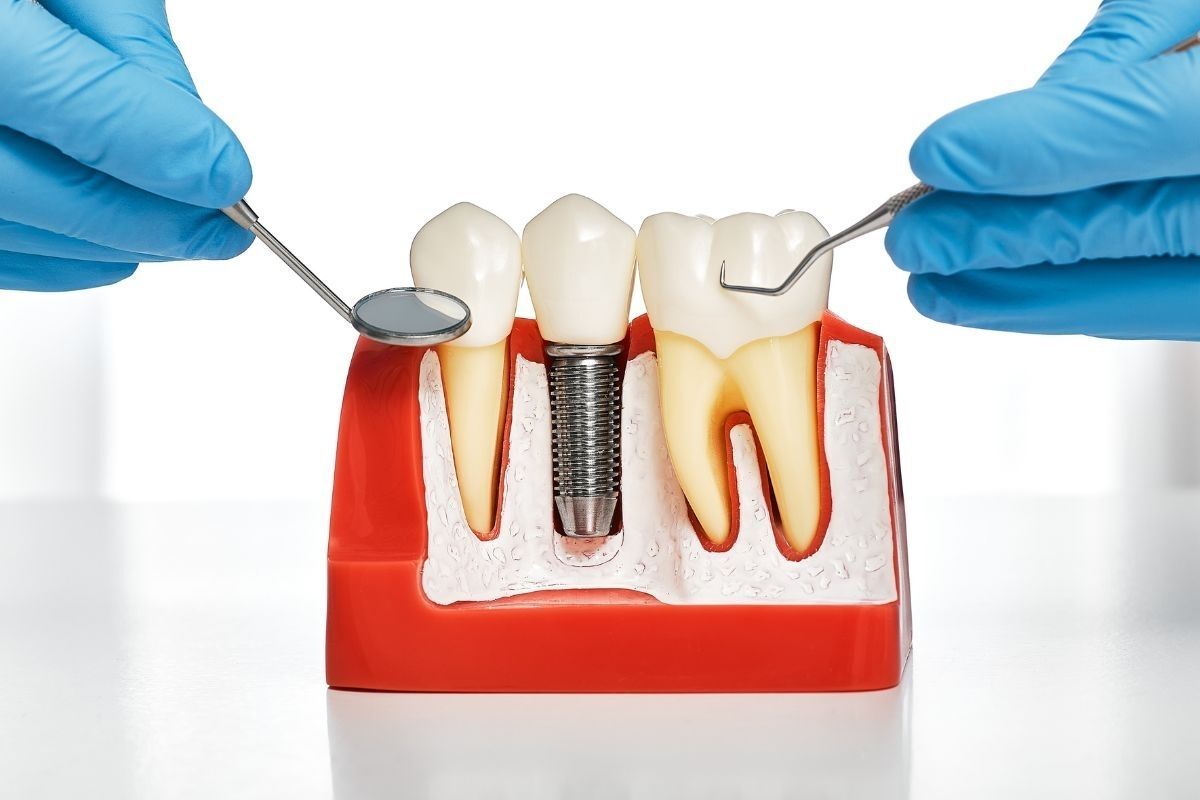
Dental implants replace missing teeth. They act like natural roots. A titanium post fuses with your jawbone. This creates a stable base for crowns or bridges. Implants restore function and appearance. They prevent shifting of nearby teeth. Many patients enjoy long-lasting results. Success depends on several factors, including bone quality.
The Role of Jawbone in Implants
Your jawbone supports the implant. It must be strong and dense. The process called osseointegration bonds the post to bone. Weak bone risks failure. Implants need enough volume for secure placement. Without it, they may loosen over time. Healthy bone ensures durability.
Common Reasons for Bone Loss
Tooth loss causes bone resorption. The jaw shrinks without stimulation from roots. Gum disease accelerates this. Injuries or infections contribute too. Aging plays a role in some cases. These issues reduce bone height and width. Implants can’t anchor properly then.
If you’re dealing with these challenges, options like bone grafting in Columbia, TN, help rebuild the foundation. Local experts assess your needs. They use advanced imaging for precise planning. This step restores jaw structure effectively.
What is Bone Grafting?
Bone grafting adds material to your jaw. It promotes new growth. Sources include your body or synthetic options. The graft integrates over months. This creates a solid site for implants. It’s a common preparatory procedure.
Types of Bone Grafts
Autografts use your own bone. Often from the chin or hip. Allografts come from donors. Processed for safety. Xenografts derive from animals. Synthetics mimic natural bone. Each type suits different situations. Your dentist chooses based on your health.
The Bone Grafting Procedure
First, a consultation evaluates bone levels. X-rays or CT scans guide decisions. Anesthesia ensures comfort. The surgeon makes a small incision. Graft material fills the area. Membranes may cover it for protection. Stitches close the site. The whole process takes about an hour.
Many opt for sedation for dental implants during related steps to ease anxiety. It keeps you relaxed. Discuss this with your provider early.
Recovery After Bone Grafting
Healing starts right away. Swelling and discomfort peak in days. Ice packs help reduce inflammation. Soft foods aid recovery. Avoid strenuous activity initially. Follow-up visits monitor progress. Full integration takes three to six months. Patience yields strong results.
Benefits of Bone Grafting for Implants
Grafting enhances implant success. It rebuilds lost bone. This leads to better stability. Patients report improved chewing. Aesthetics improve too. Overall oral health benefits. It prevents further bone loss. Many regain full function.
Key Statistics on Bone Grafting and Implants
| Aspect | Statistic | Source Notes |
|---|---|---|
| Bone Graft Frequency | Used in ~50% of implant cases | Surgical reviews |
| Implant Survival Rate | 93-98% overall | Long-term studies |
| Survival in Grafted Bone | ~93-95% | Graft research |
| Success with Autografts | 95-98% | Preferred methods |
These numbers show high reliability. Grafting boosts outcomes significantly.
Addressing Common Concerns
Worried about pain? Modern techniques minimize it. Recovery varies by individual. Some return to work quickly. Others need more rest. Communicate concerns upfront. Providers tailor plans to you. This builds trust and eases fears.
When to Consider Bone Grafting
Not every implant requires it. Evaluation determines need. If bone is sufficient, proceed directly. Otherwise, grafting ensures safety. Delaying can worsen loss. Early action preserves options. Consult soon after tooth loss.
Trending FAQs on Bone Grafting for Dental Implants
People often search for answers online. Here are frequently asked questions based on common Google queries:
- Do all dental implants require bone grafts?
No, only if bone volume is low. Assessments like scans check this first. - How long after a bone graft can you get an implant?
Typically three to six months. This allows full healing. - What happens if you don’t have enough bone for implants?
Bridges are an option, but grafting enables implants. - Is bone grafting painful?
Discomfort is mild with proper care. Anesthesia helps. - What is the success rate of bone grafts for implants?
Around 95% or higher, based on health. - Can bone grafts fail?
Rarely, but smoking or poor care raises risks.
These address top concerns. They help you feel informed.
Preparing for Your Implant Journey
Lifestyle matters. Quit smoking to aid healing. Maintain good hygiene. Eat nutrient-rich foods. Vitamins support bone growth. Regular check-ups catch issues early. These steps optimize results.
If you are searching for a “dentist near me” in Columbia, TN, consider local experts in implants. They offer personalized care. Discuss your history openly.
In summary, bone grafting opens doors for successful implants. It addresses hidden challenges effectively. Ready to start? Call 931-286-3059 to schedule an appointment today. Your smile awaits.


